Disney v. Midjourney makes the AI copyright fight more concrete.
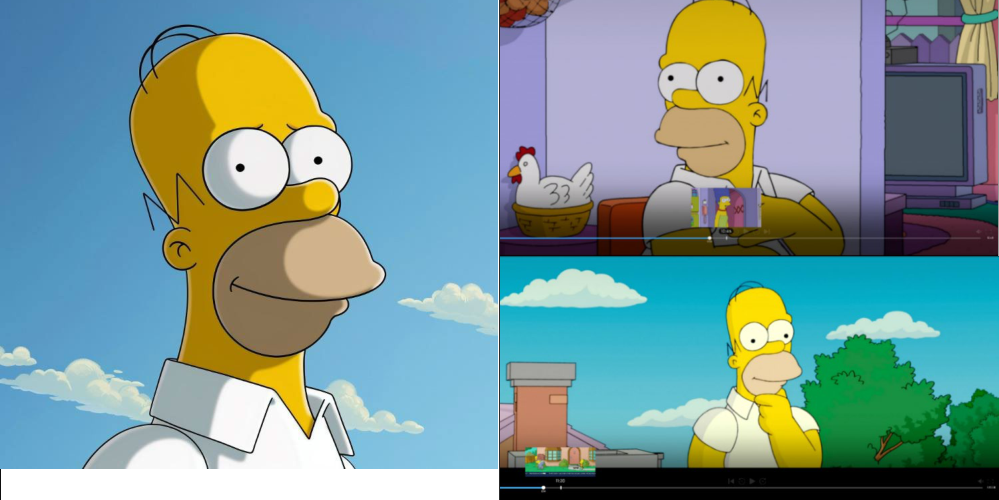
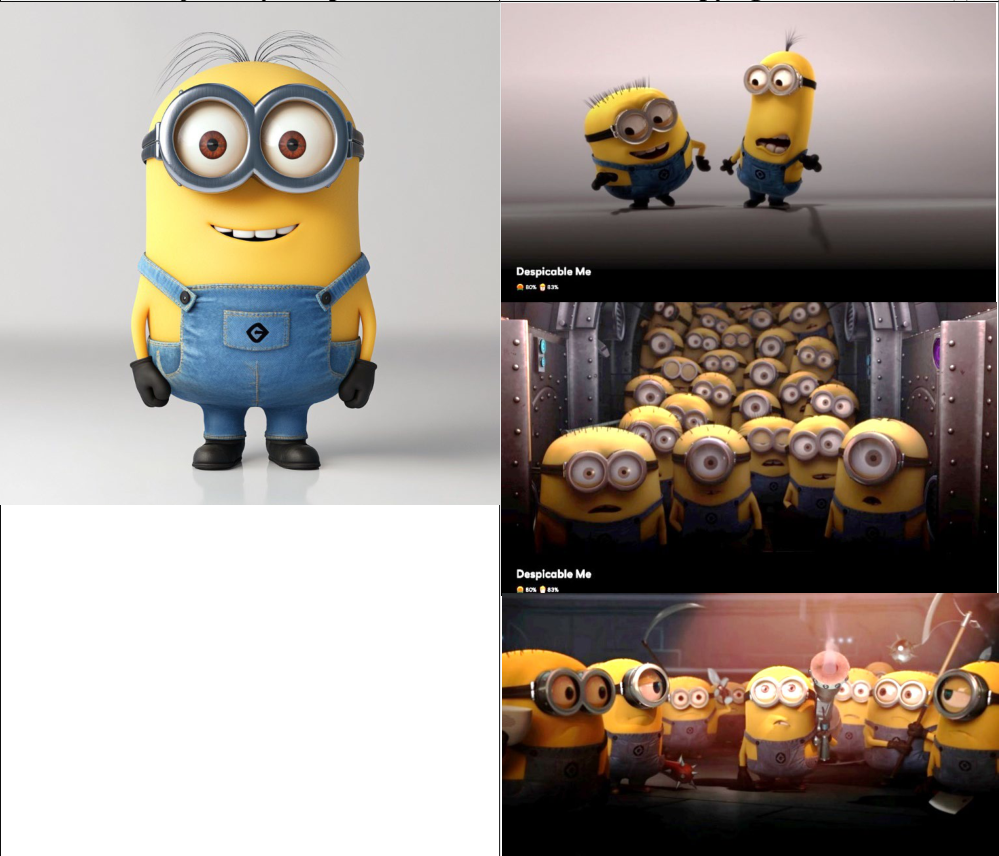
The case is about training data, but it is also about outputs that allegedly look too much like famous protected characters and franchise imagery.
What the case is actually about
Disney, Universal, and affiliated rights holders sued Midjourney in federal court in Los Angeles on June 11, 2025.
The case is:
- Case: Disney Enterprises Inc. v. Midjourney Inc.
- Court: C.D. Cal.
- Docket: 2:25-cv-05275
- Status: pending
The studios' position is straightforward. They say Midjourney was built using copyrighted works and that the service can generate outputs that are too close to protected characters and expressive elements. The complaint reportedly includes example prompts and output images involving well-known properties, which is part of why the case landed so clearly in public discussion.
Two examples from the complaint show why the output issue is getting so much attention:
Midjourney’s likely response is also familiar. Training is not the same as republishing a work. Not every prompted image is substantially similar enough to infringe. And not every reference to a known character, franchise, or visual style cleanly collapses into liability for the platform.
That is why this case matters. Both sides are arguing about where the legal line sits when a model produces commercially useful images that unmistakably evoke existing protected expression.
Can businesses use Midjourney images commercially?
Midjourney’s published guidance says customers generally own the images and videos they create and may use them commercially, subject to its terms and plan requirements. For businesses with more than $1 million in annual gross revenue, Midjourney says a Pro or Mega Plan is required for commercial use.
That contractual permission is only one part of the analysis. It does not guarantee that a particular output is noninfringing, that the user owns every element in the output, or that the output qualifies for copyright protection. Midjourney’s terms provide the service and assets on an “as is” basis, disclaim a warranty of noninfringement, and place responsibility for using or redistributing assets on the customer.
For business use, the practical controls should include:
- confirming that the account and subscription plan permit the intended commercial use;
- screening prompts and outputs for recognizable characters, logos, protected expression, and other third-party rights;
- retaining records of prompts, source materials, edits, and human review;
- requiring additional clearance before using AI-generated images in prominent campaigns, products, or customer deliverables; and
- reviewing vendor terms regularly because platform rules and protections can change.
Commercial-use permission from the platform answers whether Midjourney permits the use. It does not answer whether a rights holder may challenge it.
Related Clearon AI analysis: OpenAI copyright MDL and data governance and AI-generated code and copyleft risk.
The bigger issue
For companies, the issue is not just whether Midjourney wins or loses.
It is whether the business has decided what level of copyright and brand-adjacent risk it is actually willing to accept when employees use generative AI in public-facing work.
Many legal teams are comfortable saying obvious character replication is out of bounds. The harder question is the gray zone. Is the company willing to rely on a fair use argument if a marketing image is styled to evoke Disney, South Park, or another highly recognizable visual world? Is it comfortable arguing that a prompt drew on a style, not a protected work? Is it willing to defend that position after publication, in a customer campaign, or in court?
That is the governance issue this case sharpens. Companies need a view on where they are comfortable being aggressive, where they want to be conservative, and which arguments they are actually prepared to stand behind if challenged.
They also need to account for contract risk, not just copyright doctrine. Most, if not all, major AI image providers put the user on the hook for at least some infringement risk tied to prompts, inputs, or outputs. Even when a vendor offers limited indemnity, it is often narrow and conditional. So a company deciding to operate in the gray zone may also be deciding that it, not the service provider, will carry much of the downstream claim risk.
The Clearon AI takeaway
Disney v. Midjourney turns AI copyright risk into a risk-allocation question for users, not just model developers.
The practical lesson is less “never touch this” and more “decide, in advance, which copyright arguments your company is truly willing to own.”
Leave a Reply