
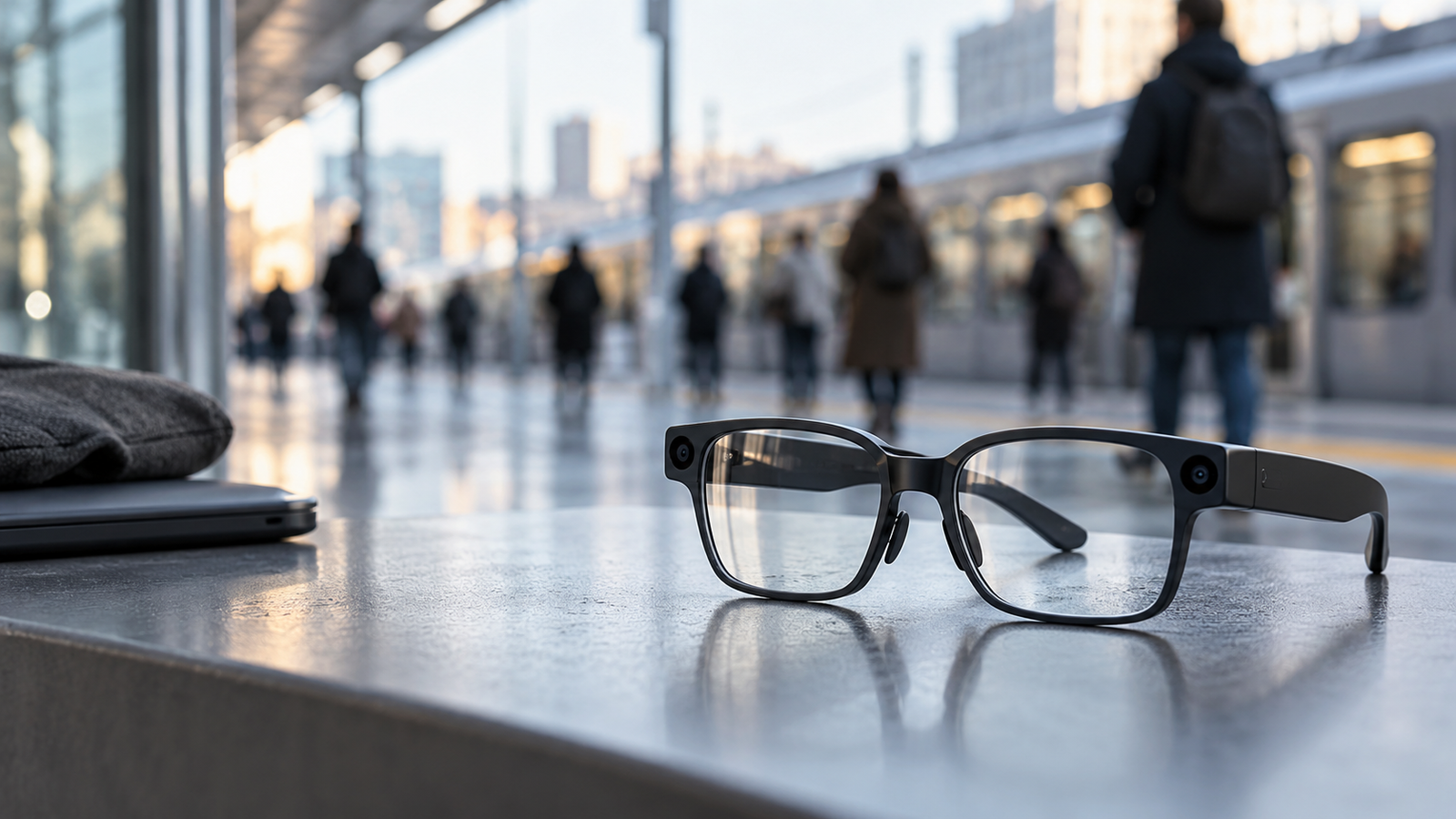
Norway government announces intent to propose temporary AI-glasses use ban at selected places
Norway’s government has said it plans to return to the Storting with a proposal restricting the use of AI-enabled glasses in certain locations. The proposal has not yet been introduced, and a separate parliamentary initiative would go further by covering sales and a broader class of wearable surveillance technology.
Norway has not banned AI glasses. But the government has moved beyond its earlier call for organizations to consider internal policies and now says it intends to return to the Storting with a proposal for a temporary, place-limited restriction on their use.
In an October 5 announcement, the Ministry said the government plans to return with a proposal for a temporary prohibition on using AI glasses in selected places. Minister Torgeir Micaelsen also confirmed that intended course during an October 5 Storting debate.
The announcement is a material step beyond the government’s August 25 announcement describing an expert group and encouraging organizations to develop internal policies. It signals an intention to return with a proposal. It does not itself create a new legal duty.
As of October 27, no government bill text, consultation text, committee recommendation, enacted law, effective date, or compliance deadline had been identified in the reviewed official materials. That is a statement about the official materials reviewed for this article, not a claim that no later document could exist elsewhere.
A proposed restriction on use, not a sales ban
The government’s stated direction is narrower than a total ban on AI glasses. It concerns their use in selected locations, rather than their sale or ownership.
The Ministry has identified possible settings that could include public-facing, child-centered, and privacy-sensitive places. Those examples should not be treated as settled legal coverage. Any eventual proposal would need to clarify the covered devices, locations, conduct, duration, exceptions, enforcement arrangements, and whether penalties would apply.
The government has also indicated that exceptions may be considered for vulnerable groups and for limited socially beneficial uses. The scope and conditions of those exceptions remain unknown.
That leaves organizations with a planning question rather than a new compliance obligation. Employers, schools, healthcare providers, retailers, and operators of public venues may have reason to watch the proposal closely, particularly where wearable cameras or sensors could create privacy and surveillance concerns. But they should not treat the October 5 announcement as an operative statutory regime.
Parliament is considering a broader opposition proposal
A separate proposal from Socialist Left Party representatives Kirsti Bergstø and Mirell Høyer-Berntsen would go substantially further.
Their Document 8:8 S (2026–2027) asks the Storting to direct the government to bring forward proposals for a temporary ban on both sales and use of body-worn technology equipped with cameras or other sensors that can enable covert surveillance.
That formulation is broader in two ways. It would cover sales as well as use, and its operative request is not limited to products marketed as AI glasses. The proposal instead reaches a wider category of body-worn devices capable of covert surveillance, while excluding assistive devices for people with disabilities.
The matter was referred on October 15 to the Standing Committee on Local Government and Public Administration. Its case page showed committee consideration as of October 27, without a debate or decision.
The proposal is therefore not law, and its filing does not independently impose obligations on businesses or consumers.
Separate sales-related motions have already failed
The parliamentary record also shows that two separate KrF motions concerning AI-glasses sales were rejected on October 6. The official voting transcript records votes of 81–19 and 82–19.
Those votes do not resolve the pending Document 8:8 S proposal or the government’s announced legislative plans. They do show that parliamentary approaches to AI-glasses regulation are taking different forms: specific sales restrictions, a broader sales-and-use proposal, and the government’s narrower stated plan for place-based limits on use.
What remains unsettled
The legal details that would determine the practical effect of any future restriction are still absent. In particular, official materials reviewed through October 27 did not establish:
- which devices would be covered;
- which locations or conduct would be restricted;
- the measure’s legal basis;
- the responsible enforcement authority or any penalties;
- the duration or commencement date of a temporary measure;
- the full set of exceptions; or
- the membership and formal terms of reference of the government’s expert group.
Those gaps matter. A restriction limited to specified uses in specified places would present a different legal and operational question from a prohibition on sale, possession, or all use of a broad category of wearable technology.
For now, Norway’s relevant developments are a government intention to return with a proposal and a pending parliamentary initiative—not an enacted AI-glasses ban, a new binding duty, or a compliance deadline. The government’s announced intention to return with a proposal is not itself an established legislative measure.
Leave a Reply