
SpaceX’s SEC filing exposes a $6.1 million potential environmental risk at an AI data-center affiliate
A new SpaceX quarterly filing shows that Mississippi regulators are seeking civil penalties from an affiliate tied to AI infrastructure after alleging that construction began before stormwater-permit coverage was in place.
The filing does not report a final penalty or an executed settlement. It reports a regulatory dispute, preliminary exposure, and discussions about resolving the matters through a single agreed order.
What the filing says
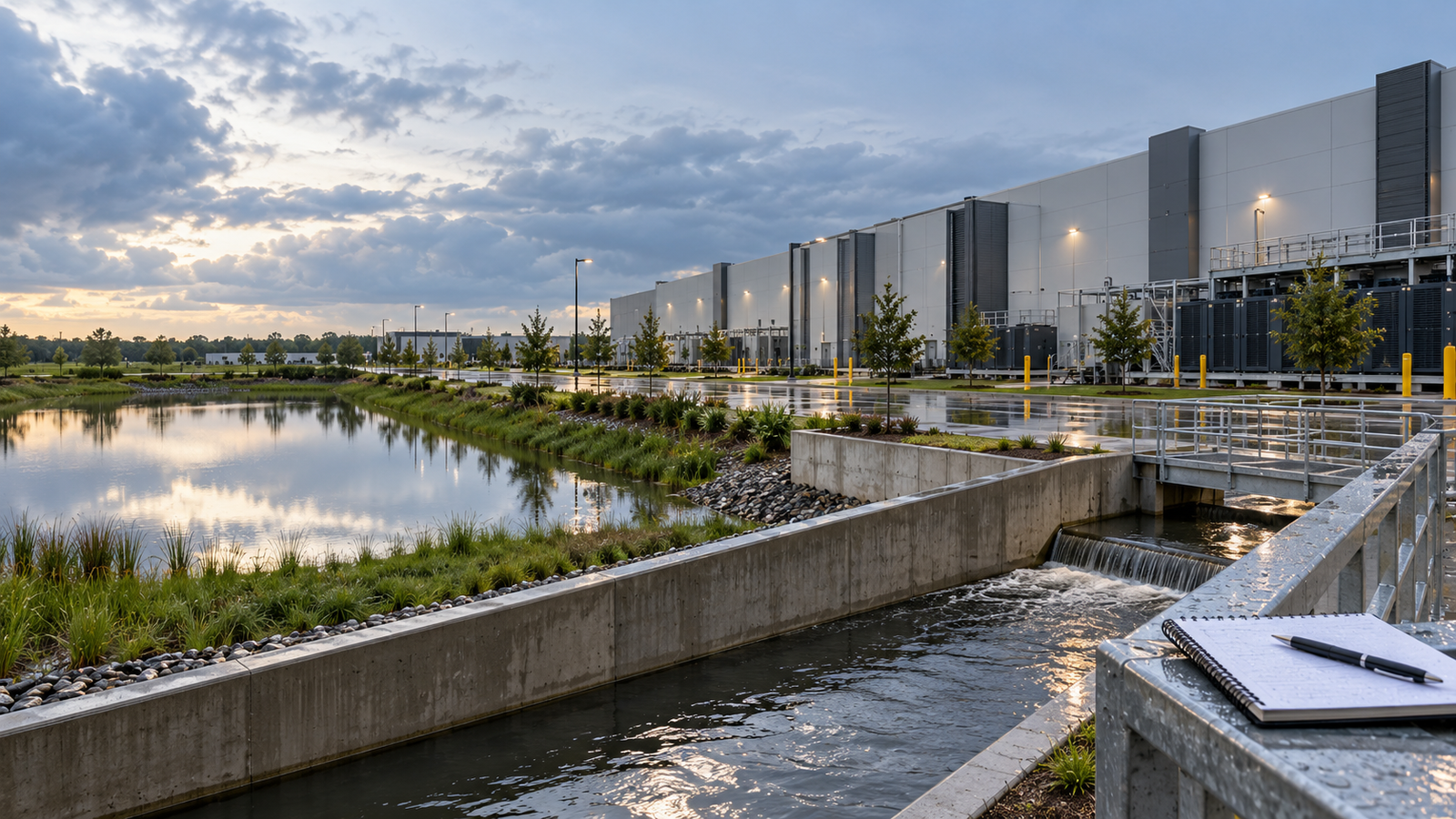
In its Form 10-Q for the quarter ended September 30, 2026, filed October 22, SpaceX says the Mississippi Department of Environmental Quality issued notices of violation to MZX Tech LLC in August. MDEQ alleges that land-disturbing construction activities at three sites occurred before coverage under Mississippi’s Large Construction Stormwater General Permit.
The filing says MDEQ is seeking civil penalties of up to $25,000 per day, with preliminary claimed exposure of approximately $6.1 million across the three sites. SpaceX says it is cooperating with MDEQ and discussing resolution through a single agreed order.
The disclosure is made in the company’s legal-proceedings section. It is not an agency order imposing a final amount, and it does not establish that the alleged violations occurred.
Why the disclosure matters
The dispute is a useful reminder that AI infrastructure carries ordinary environmental and construction-law exposure alongside the better-known issues involving chips, electricity, privacy, and model safety.
The alleged conduct concerns the physical buildout of computing infrastructure. A permit gap at the construction stage can create exposure before a facility is operating at scale, and the potential daily penalty structure makes timing important. The filing also shows why corporate disclosures can be an early source for infrastructure-compliance reporting: they can identify a regulatory matter before a final order or public settlement becomes available.
The filing does not identify the three sites by name or describe the construction timetable in detail. It also does not say whether MDEQ has agreed to reduce the claimed exposure, whether the parties have signed the proposed agreed order, or whether any amount has been accrued as a final liability.
The legal posture is preliminary
Mississippi’s Large Construction Stormwater General Permit is a permitting framework for qualifying land-disturbing activity. The reported notices of violation indicate that MDEQ believes work began before the necessary coverage was obtained. The company’s disclosure describes the agency’s position and the parties’ discussions; it does not resolve the underlying factual or legal dispute.
The stated maximum of $25,000 per day should not be presented as a $25,000-per-day fine already imposed. The approximately $6.1 million figure is described as preliminary claimed exposure across three sites. The eventual amount, if any, could depend on the duration and scope of the alleged violations, the terms of an agreed order, and any defenses or mitigation accepted by the agency.
A broader compliance lesson
For AI companies and their infrastructure partners, the episode points to a practical control problem: environmental permits and construction sequencing can become material AI-business risks even when the underlying technology is software.
The issue is not unique to one company. Data-center projects may involve stormwater, air permits, water use, zoning, wetlands, construction authorization, and local approvals. Those obligations can attach to affiliates, contractors, and site-specific entities rather than the brand most visible to the public. A compliance review that focuses only on model regulation can miss the legal risk created by the facilities that train or serve the model.
The filing also illustrates the limits of public-company disclosure. The 10-Q gives a concrete estimate and identifies the regulator, alleged conduct, and settlement posture. It does not provide a final adjudication or the complete underlying notices. Any article or risk assessment should keep those distinctions intact.
What to watch
The next meaningful document would be the agreed order, if the parties reach one, or a later MDEQ filing that clarifies the claimed violations and any final penalty. Until then, the accurate description is a Mississippi environmental-permitting dispute involving MZX Tech, a SpaceXAI affiliate, with preliminary exposure of approximately $6.1 million.
Primary source: SpaceX Form 10-Q for the quarter ended September 30, 2026
Leave a Reply